Skip to content
  • Mirror Magick

    October 8, 2025
    Basics, Dreams/Oracle/Divination, Glamour, Rituals, Uncategorized

    The Art of Staring at Yourself Until the Universe Blinks First

    Let’s be real, mirrors have seen things. They’ve seen you at your best, your worst, and that weird liminal state between “self-care aficionado” and “swamp cryptid with a coffee addiction.”
    They’ve witnessed us practicing fake arguments, rehearsing apologies, psyching ourselves up before job interviews, and having full-blown conversations that we swear are just internal dialogues.

    But beyond all that glass-and-guilt dynamic, mirrors hold power, real, ancient, slightly spooky power. Before humans learned to scroll, we learned to stare. And that act, of meeting your own gaze and asking what lies beneath, has been the backbone of spiritual reflection (pun intended) for thousands of years.

    Mirror magick isn’t about vanity; it’s about vision. It’s about peeling back the layers of illusion until what’s left is something startlingly honest, and a little bit holy.

    A Brief History of Humans Freaking Out About Their Reflections

    Let’s time travel to ancient Egypt: desert sun, golden tombs, and people who took the afterlife very seriously. They buried polished bronze mirrors with the dead, believing those reflective surfaces would help guide souls safely into eternity. A mirror was a compass for the spirit, not just a shiny toy.

    Meanwhile, in Greece, the priestesses of Delphi were staring into reflective bowls of water, channeling divine messages while everyone else was busy philosophizing about rocks. The Romans copied the Greeks (as they often did) and added flair: they used mirrors for divination, predicting everything from harvests to heartbreaks.

    In China, mirrors weren’t just mystical, they were functional defenses. A mirror hung in the right place could deflect bad luck, malevolent spirits, or nosy neighbors. The ancient Aztecs crafted obsidian mirrors, sleek, black, otherworldly, and used them to converse with gods. You can practically hear them whisper, “Hey, you up?” across the veil.

    In Japan, the sacred Yata no Kagami, the Mirror of Truth, became one of the imperial treasures, symbolizing purity and divine honesty. The message? Reflection reveals. Always has. Always will.

    The Renaissance magicians, naturally, took this to goth levels of extra. They combined mirrors with alchemy, astrology, and the occasional questionable safety practice. Their logic? If you can gaze deep enough into the reflective unknown, you might catch a glimpse of the divine, or at least figure out what’s really going on inside your own skull.

    Across time and culture, mirrors have always served the same purpose: to reveal what’s hidden, whether that’s the soul, the truth, or just the fact that your hair looks way better than you thought.

    So What Is Mirror Magick?

    Let’s clear something up. Mirror magick is not about saying “Bloody Mary” three times and regretting your life choices. It’s not spooky, it’s psychological. It’s spiritual. It’s personal. It’s the intersection where self-awareness meets energy work, wearing a dramatic cloak and holding a candle.

    Think of it as energetic alchemy: your mirror is the cauldron, your focus is the fire, and your intention is what you’re transforming.

    When you sit before a mirror with purpose, you’re not just seeing yourself, you’re meeting yourself. The mirror becomes a doorway between the seen and unseen, the conscious and the subconscious. What stares back isn’t an image. It’s an invitation.

    Psychologically, this is pure Jung. Mirrors are metaphors for the Shadow, the parts of ourselves we shove into the mental basement and hope never resurface. Magically, they act as amplifiers, reflecting energy, thought, and emotion back to us until we finally get the hint.

    In short, mirror magick is less “Charmed” and more “deep therapy but with better lighting.”

    Spiritual Glass Maintenance

    Here’s the thing: if you’re going to work with mirrors, you have to treat them like living tools. They’re not just décor, they’re energetic devices. You wouldn’t meditate in the middle of a noisy food court, right? Same logic applies here.

    A bathroom mirror full of toothpaste spatter, mascara smudges, and lingering existential dread is not the vibe. That’s reflection in the literal sense, not the metaphysical one.

    It’s About Energy, Not Aesthetics

    When it comes to selecting your mirror, go with what feels right. Forget size or price, and pick something that hums when you touch it. That little buzz in your palms? That’s recognition.

    Antique mirrors are powerful (and occasionally creepy). They carry stories. If you go that route, cleanse thoroughly, who knows what’s been staring into it for the last hundred years. Black mirrors are popular for scrying; they absorb light, allowing your intuition to paint images on the surface. But honestly? Even a small, cheap mirror can become a gateway if you treat it with reverence.

    If you’re crafty, make your own. A thrifted picture frame, some glass, a coat of black enamel on the back, boom, instant portal. Handmade tools tend to hum with your energy, like a custom spiritual playlist.

    Ambience Is Magick

    The right atmosphere turns ordinary glass into sacred space. Candles help, both for lighting and for attitude. Dim the room until it feels soft around the edges. Play instrumental music or sit in silence, whichever helps your brain hush.

    You don’t need a fancy altar, but do clear a spot and make it intentional. Light incense if that speaks to you. Sprinkle salt to purify. Maybe tell your roommate not to knock unless the house is on fire.

    Your basic toolkit:

    • Your mirror
    • A bowl of salt and water (for cleansing)
    • A candle (for focus and flair)
    • A black cloth (to cover your mirror afterward)

    Bonus items: crystals, herbs, offerings, or the one cat who insists on supervising rituals.

    You’re building a liminal zone, a boundary between “mundane life” and “sacred moment.” The shift in atmosphere is half the spell.

    From Object to Oracle

    Cleansing isn’t optional it’s essential. Mirrors hold energy like fabric holds scent.

    Mix a little salt and water, dip your fingers or a soft cloth, and gently wipe the mirror. As you do, visualize all leftover energy, dust, fingerprints, tension, trauma, dissolving into light. If you’re feeling extra witchy, whisper something as you clean. It doesn’t need to rhyme (though bonus points if it does). Try:

    By salt and sea, I cleanse thee.
    By will and breath, I set thee free.

    Wipe it dry with a lavender, or sage scented cloth, and notice how the air around you subtly changes. The mirror begins to feel awake, like it’s breathing. That’s the signal, it’s ready for its big debut.

    Give It a Job, Not Just a Purpose

    Now it’s time to give the mirror direction. Consecration is basically a cosmic HR meeting: you’re clarifying expectations.

    Hold the mirror in your hands. Ground yourself. Feel your pulse sync with the weight of it. Then speak to it, out loud. Mirrors respond to resonance, and voice carries energy like nothing else.

    You can go formal:

    I consecrate this mirror as a vessel of reflection, truth, and transformation.
    Reveal what must be known and protect what must be kept.

    Or conversational:

    Hey, mirror. You’re my partner now. Show me the truth, don’t sugarcoat it, and please, no jump scares.

    What matters is sincerity. When you feel that subtle pulse of connection, the air thickening, your chest tightening slightly, congratulations. You’ve just made a magical contract.

    Mirrors Get Tired, Too

    When you’re done, always cover your mirror. It’s not superstition; it’s energy management. Mirrors are absorbent, they soak up stray emotion and psychic noise like sponges.

    Covering them helps “close” the channel. Think of it as turning off the headlights so your spiritual battery isn’t draining overnight.

    Keep your mirror somewhere safe and private, not out in the open, not near your bed unless you want dream interference. Cleanse and recharge it periodically, especially after heavy work. You’ll feel when it needs it, the reflection goes flat, or it starts feeling emotionally… sticky.

    Take care of it, and it will take care of you.

    How to Stare at Yourself Until Something Profound Happens

    Now that your mirror is all shiny and spiritually employed, it’s time to play. Mirror magick is exploration, not performance. You’re not trying to impress the universe, you’re trying to understand it.

    So pour some tea, and let’s talk shop.

    “Psychic Netflix for the Spiritually Curious”

    Scrying is simple: you gaze into the mirror until your perception shifts. The trick is not trying too hard. Think of it like letting your eyes go soft until the world starts humming.

    At first, it’ll feel awkward. You’ll think, “This is dumb,” about fifteen times. But then, something shifts. The light changes. The edges of your reflection blur. Shapes, colors, or faces may start to form. The mind’s eye wakes up. This isn’t about seeing literal ghosts, it’s about translating intuition into imagery.

    A practioner I once met, used this method when she couldn’t decide whether to stay at her job or finally chase her dream. During her scrying session, she saw a door. Not a metaphorical one, a vivid, glowing door. Two weeks later, she walked through a literal door: her new business’s front entrance. Coincidence? Maybe. Alignment? Absolutely.

    That’s mirror magick in action, a reflection of truth before it becomes reality.

    The “Eye Contact With Your Soul” Challenge

    If you want to meet your Shadow, skip the horror movies and grab a mirror.

    This exercise is deceptively simple: sit down, look yourself in the eyes, and hold the gaze. No distractions, no filters, no fixing your hair halfway through. Just you and you.

    It’s intense. You’ll fidget. You’ll laugh nervously. You might cry. Because suddenly, you’re not just seeing your reflection, you’re seeing your history. Every version of you staring back. The strong, the scared, the survivor.

    Try this every day for thirty days, but be aware that for myself it was like peeling an onion made of feelings. It can be very uncomfortable at first. By the end, I wasn’t scared of my reflection anymore. I respected it. That’s what mirror work does, it turns your reflection from an enemy into an ally.

    Try this sometime. Sit, breathe, look. Ask your reflection: “What do you need from me today?” Then listen. The answer’s already in you. The mirror just gives it a voice.

    Turning Reflections Into Resonance

    Mirrors amplify everything: light, energy, intention, and occasionally anxiety. If you’re casting a spell, use one to give your intention extra oomph.

    For example, if you’re manifesting abundance, set a green candle in front of your mirror. The flame doubles, symbolically reflecting your energy into the unseen. Speak your goal. Watch the reflected flame dance. That’s your intention vibrating between realms.

    Pro tip: mirrors don’t discriminate. They’ll amplify whatever you project. If you’re angry, tired, or in emotional chaos, maybe wait a day. The mirror’s job is reflection, not emotional babysitting.

    Protection and Deflection

    Mirrors are ancient shields. Hang one near your door, window, or workspace, and visualize it glowing, reflecting all negativity outward.

    You can also carry a compact mirror for personal shielding. When you feel overwhelmed, imagine it flashing bright like a psychic mirrorball, scattering bad vibes in every direction. Bonus: no one can tell you’re doing it. It’s stealth witchcraft.

    The Real Magick

    Every mirror practice, from scrying to shielding, leads back to the same truth: mirrors don’t lie. They don’t coddle. They simply show. Sometimes what they show is glorious. Sometimes it’s humbling. Always, it’s real. That, in a world built on filters and curated perfection, is one of the purest kinds of magick there is.

    The Deep End of the Looking Glass

    So you’ve gazed, reflected, scryed, and shielded. You’re comfortable in the glass. What’s next? The advanced stuff, where the mirror stops being just a reflective surface and becomes a full-blown portal for transformation. We’re talking multi-mirror mandalas, astral travel, and energy weaving, the kind of work that’ll have the spirits going, “Oh, they’re serious.”

    Energy Architecture for the Bold

    Picture a circle of mirrors around you, angled just right so the candlelight bounces infinitely. Congratulations, you’ve built a feedback loop of intention. This is called a Mirror Mandala, and it’s used to magnify and focus energy during rituals.

    If you try it, start small. Two or three mirrors max. Energy builds fast in a reflective field; you don’t want to fry yourself because you got overzealous with the Home Depot mirror aisle.

    Walking Through the Glass (Metaphorically, Please)

    This is graduate-level mirror work. The goal isn’t to literally step into your reflection (that’s how horror movies start). It’s about using the mirror as a launch point for consciousness expansion.

    You sit, breathe, gaze until you feel that gentle pull, the sense that your awareness is stretching beyond your body. Then you imagine stepping through the glass, entering a vast space of light or shadow, depending on your intention.

    You’ll know you’re there when your body feels distant but your mind feels electric. Don’t stay too long. Always ground yourself afterward, eat something salty, touch something real, remind your cells you live in the physical plane.

    Healing With Mirrors

    You can also use mirrors for self-healing. Project loving energy toward your reflection, literally beam compassion at your face. It sounds silly until it works.

    The reflection amplifies it and sends it back doubled. That’s why mirror healing is so powerful: it bypasses the intellect. You’re feeding the self-image directly with light, acceptance, and truth.

    Do this when you’re having a rough day, when your confidence has gone missing, or when you’re tired of carrying the world. You’ll feel your energy recalibrate, like your cells are remembering they’re made of starlight, not stress.

    Reflect Responsibly

    Mirror magick isn’t about superstition. It’s about honesty, dressed up in ritual and a little sass. It’s self-work with sparkle. A way of saying, “I’m ready to see myself clearly, and I can handle what shows up.”

    Start small. Whisper micro-spells. Journal after scrying. Light a candle before bed and look yourself in the eyes with gentleness instead of judgment. Let your mirror become your confidant, your altar, your therapist that doesn’t bill by the hour.

    Because the truth is this: you are both the magician and the mirror. The glass doesn’t hold power, you do. The mirror just reflects it back until you finally recognize what’s been there all along.

    Look deeper. Laugh at yourself. Cry if you must. Keep showing up.
    And when your reflection finally winks back… smile.
    You’ve just met your magick.

    No comments on Mirror Magick
  • Knowing The Day & Hour:

    October 6, 2025
    Uncategorized

    Timing Magick Without Losing Your Mind

    Magick is mostly intention, a decent dash of tools, and just enough flair to make it feel like magick instead of a glorified self-help exercise. But timing, that’s where you add the spice. Think of planetary hours as the occult spice rack. You don’t need them, but the results without them can feel a little bland. Add them, though, and suddenly everything clicks into rhythm.

    Most people’s first brush with planetary magick comes when they realize the days of the week are already astrology in disguise. Sunday? The Sun. Monday? The Moon. Tuesday? Mars (from Martis dies in Latin, warped into Tiw’s Day by the English). Wednesday? Mercury. Thursday? Jupiter (Thor’s Day, but really Jove’s Day). Friday? Venus. Saturday? Saturn. You’ve been chanting planetary invocations your whole life without realizing it every time you’ve said “TGIF.”

    Each day has a planetary sponsor. If you want love or pleasure, Friday has Venus’s fingerprints all over it. If you want wealth, expansion, or opportunity, Thursday’s Jupiter’s turf. If you want to slam the door on something, Saturday is the perfect time to call Saturn to swing his scythe.

    Now, someone always interrupts here: “But wait, the Sun and Moon aren’t planets. Why are we calling them planets?” The short answer is: because astrologers don’t use NASA’s definitions. The long answer is that the word planet comes from the Greek planētēs, meaning “wanderer.” The ancients sorted the sky into fixed stars (the constellations that don’t budge) and wanderers (the seven bright bodies that move across that backdrop). The Sun wanders. The Moon wanders. Ergo, they’re planets in the astrological sense. So when you hear “the classical planets,” it means those seven visible wanderers: Saturn, Jupiter, Mars, Sun, Venus, Mercury, and Moon.

    We have met the basic cast. Now let’s talk about how their hours work.

    Unlike the neat sixty-minute blocks your phone insists on, planetary hours are elastic. Every day from sunrise to the next sunrise is chopped into twenty-four planetary hours. Twelve belong to the daytime, twelve to the night. But because the lengths of day and night change with the seasons, these “hours” stretch or shrink. In summer, daytime planetary hours are longer than sixty minutes, night hours are shorter. In winter, the reverse. It’s less “hour” and more “a twelfth of the day or a twelfth of the night.” Inconvenient? Yes. Brilliant? Also… yes, because it ties your practice to the actual Sun, Moon, etc, above your head, not just a mechanical clock.

    So, who gets what hour? That’s where the Chaldean order comes in. It’s the eternal sequence: Saturn, Jupiter, Mars, Sun, Venus, Mercury, Moon, and then back to Saturn again. This order is based on perceived speed and distance from Earth: Saturn slowest, Moon fastest. The system is simple once you know the trick: the first hour after sunrise is ruled by the planet of the day, and then you march forward in Chaldean order, hour by hour, round and round. If it’s Sunday, the first hour after sunrise belongs to the Sun, then Venus, then Mercury, then Moon, and so on. By the next sunrise, you’ll find the system clicks neatly into the planet that rules the new day. It’s an elegant cosmic loop.

    Why does any of this matter? Because timing matters. Doing a love spell in a Venus hour on Friday layers your intention with planetary resonance. Banishing in a Saturn hour on Saturday moves with Saturn’s heaviness. Seeking clarity in a Mercury hour on Wednesday rides the current of quicksilver communication. It’s not superstition, it’s resonance, like playing music in key instead of off-key. You can play in any key you want, sure, but when you’re in tune, the whole thing vibrates differently.

    Now here’s where most people start sweating: the math. But don’t panic, it’s much easier once you see the steps.

    First, get your sunrise and sunset times. Your weather app will do. Then subtract sunrise from sunset to get the length of the day. Here’s the crucial step: convert that length into minutes before you divide by twelve. Hours are messy, minutes are clean.

    Say sunrise is 6:00 AM and sunset is 8:00 PM. That’s fourteen hours. 14 × 60 = 840 minutes. Divide 840 by 12, and each daytime planetary hour is 70 minutes long. Now do the same for night. A full day is 24 hours, or 1,440 minutes. Subtract your 840 minutes of daylight, and you’re left with 600 minutes of night. Divide that by 12, and you get 50 minutes for each nighttime planetary hour.

    Want to make sure you did it right? Here’s the trick: the length of a day planetary hour plus the length of a night planetary hour always equals 120 minutes. Always. If your sum isn’t 120, something went wrong. Fix it before you try calling Mars and end up with Mercury photobombing your ritual.

    Let’s put that into action. Suppose it’s Tuesday, sunrise at 6:00 AM. The first planetary hour is Mars, because Tuesday belongs to Mars. From 6:00–7:10, it’s Mars time. From 7:10–8:20, the Sun. From 8:20–9:30, Venus. From 9:30–10:40, Mercury. Then Saturn, Jupiter, Moon, and back around. Once night falls, the sequence doesn’t stop, it keeps going, but now each planetary hour is 50 minutes instead of 70. It feels fiddly at first, but once you’ve walked through it a few times you’ll start seeing the rhythm everywhere.

    Now, the classical seven planets own this system, but modern astrology gave us three late arrivals: Uranus, Neptune, and Pluto. They don’t have days or hours of their own, but occultists are resourceful, we mapped them to their lower-octave siblings. Uranus is the higher octave of Mercury. If you’re after sudden breakthroughs, radical clarity, tech magick, or flashes of genius, you work with Uranus during Mercury hours or on Wednesday. Neptune is the higher octave of Venus, resonating with dreams, mysticism, glamour, devotion, and boundary-dissolving. For Neptune, you pick Fridays or Venus hours. Pluto is the higher octave of Mars, tied to power, transformation, destruction, and rebirth. That’s Mars’s turf: Tuesdays and Mars hours. Think of them as crashing their siblings’ hours: they don’t own the house, but they’ve got a key.

    Do you have to use planetary hours? No. Magick is flexible. If you’re in a rush, do the work when you can. But if you line it up with planetary timing, it feels like you’re riding a wave instead of dogpaddling in circles. If the math annoys you, yes, there are apps that will do it. Use them. Just don’t forget the structure behind the numbers, because knowing the system by heart gives you a sense of rhythm no app can provide.

    In a nutshell… Planetary hours aren’t shackles, they’re spices. You don’t need them every time, but when you use them, they change the flavor. The Sun and Moon are planets in this system because they wander. The classical planets are the seven visible ones. The Chaldean order is the conveyor belt. The math check is always 120 minutes. And Uranus, Neptune, and Pluto? They’re the guests who show up late but bring something you didn’t know you needed.

    Magick is about intention, yes, but it’s also about rhythm. Planetary hours remind you that time isn’t flat and mechanical; it stretches, contracts, breathes. When you work with that rhythm, you’re not just doing magick. You’re playing in key.

    But Wait…There’s More!

    This is just the tip of the iceberg that is planetary timing. If you would like to learn more about the nuances behind planetary timing, I suggest checking out Astrological Strategy (Celestial Timing for Success) by Bill Duvendack: https://a.co/d/1WEOPb7

    MONTHLY MINDFULNESS

    I have flipped to full moon pulls for the new season, and will be using my upcoming Walking With The Gods icon deck (Kickstarter in May – Stay tuned for more info!).

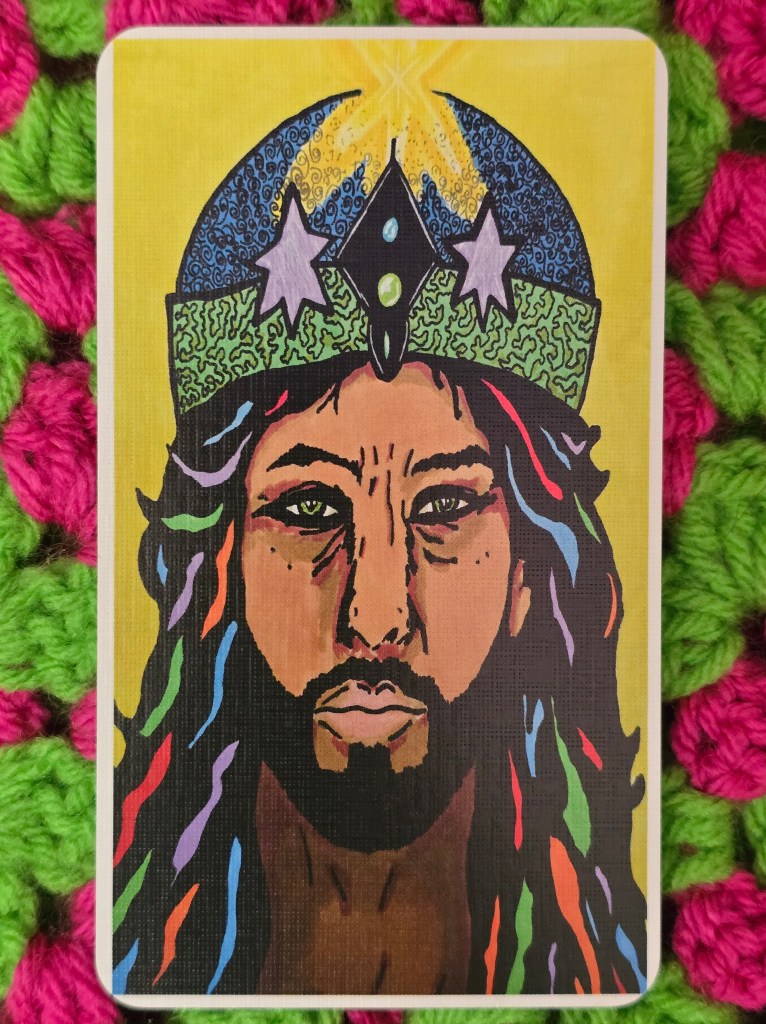
    Lucifer

    In esoteric and occult traditions, Lucifer is not a figure of evil, but a symbol of illumination, rebellion against ignorance, and the quest for divine knowledge. He represents the inner spark of consciousness that dares to question, to seek truth beyond dogma, and to awaken the soul to its own divinity. In this sense, Lucifer is the archetypal bringer of light, not to destroy, but to enlighten, to tear down falsehoods and reveal the hidden.

    To many modern mystics, Lucifer embodies the Promethean spirit: the one who challenges oppressive authority and offers humanity the fire of wisdom, even at great cost. He is the liberator of mind and will, the light in the darkness, the courageous defier of blind obedience.

    Like the planet Venus as it rises in the morning sky to herald the dawn, Lucifer is the light that awakens. He is the radiant herald of inner truth, and the luminous guide on the path to self-realization. He is wisdom as sacred flame; not destroyer but revealer, not shadow but spark. He calls you to have the courage to see, the will to know, and the radiance of truth unchained.

    I find it fitting that this card came up today. The full moon in Aries blazes with raw ignition energy: bold, impatient, and unapologetically alive. It’s the cosmic flint strike that says, “Stop waiting, start being.” Aries governs beginnings, self-assertion, and rebellion against stagnation; under this lunation, emotion meets action in a flash of divine defiance. In the mythic mirror, this perfectly echoes Lucifer, not as the villain, but as the archetype of illumination through rebellion. Just as Lucifer fell to rise in knowledge, Aries’ fire burns through conformity to reveal authentic will. Both embody the courage to stand alone, to challenge divine order, and to claim inner sovereignty.

    No comments on Knowing The Day & Hour:
  • Devotion in Magick:

    October 3, 2025
    Basics, Community, Rituals

    The Glue, the Grind, and the Thing We All Pretend We Don’t Need

    (everything stated in this blog is based upon my own research, personal practice, and opinion)

    So, picture this: Sicily… I attended a… oh wait.. that’s my inner Sophia… ummm… Back on track now.

    I attended a dear friend’s workshop the other week, sipping bad coffee and half-listening, when he starts dropping the word devotion into the conversation like it’s seasoning, hell like it was the secret sauce…and damn it, he’s right.

    Here’s the thing: we don’t like that word. Not in occult spaces. It feels sticky with church pews, rosary beads, and somebody’s grandma whisper-singing about Jesus. We’ll talk about power, hacking reality, and invoking gods with impossible names. But devotion? Everyone suddenly gets really quiet, like you suggested a group hug.

    And yet… it’s devotion that keeps this whole circus from collapsing. Not the fancy robes, not the thousand-dollar crystal, not the edgy aesthetic that makes you look like you’re auditioning for a Netflix show. Devotion is the thing that keeps you coming back when the honeymoon ends.

    So, let’s talk about it.

    Devotion to Self-Work: Stop Ghosting Yourself

    Alright, let’s start with the hardest part: you.

    Self-devotion is awkward because it feels like homework. Nobody got into the occult thinking, hell yeah, I can’t wait to write about my feelings every night in a beat-up notebook… but if you can’t keep promises to yourself, why would spirits or allies keep theirs to you?

    Once upon a time, in what feels like three lifetimes ago, I was really into the idea of daily meditation. I bought a fancy cushion, lit the incense, and had the playlist. Did it religiously, for eight days. On day nine, cleaning won. On day ten, I forgot. By day fourteen, the cushion was just an expensive cat bed.

    Then… a few weeks later, I tried a working that absolutely fizzled. Nothing. Dead air. The more I thought about it, the more obvious it was: I had no devotional relationship to myself, no consistency. I was being the magical equivalent of a bad Tinder date, showing up once with big promises, then ghosting.

    Self-devotion isn’t about never missing a day. It’s about coming back when you do. It’s writing down “I was petty and jealous today” instead of pretending you’re suddenly enlightened. It’s lighting the candle even when you’re cranky. It’s refusing to ghost yourself, even when you’d rather look away.

    That’s foundational devotion: the daily unglamorous choice to sit with yourself, shadows and all.

    Devotion in Energy Work: The Love Affair With the Boring Stuff

    Energy work is where devotion really hits home. Grounding, centering, shielding, ugh. The Holy Trinity of Yawn. Everyone wants fireworks and astral travel; nobody wants to do energetic sit-ups.

    I used to treat energy work like flossing: technically important, but easy to ignore. Until one day I walked into a party where the energy was so off, like everyone had just binge-watched true crime and marinated in resentment. I came home feeling like I’d rolled around in psychic garbage. Couldn’t sleep, couldn’t shake it. Then it hit me: I hadn’t shielded. I was basically walking around spiritually naked, wondering why I was catching every stray mood like a cold.

    That was my wake-up call. Energy work is devotion disguised as maintenance. You don’t do it once and call it done, you do it because devotion builds strength over time. Sometimes you’ll sit there running energy and feel nothing. That’s fine. Devotion says: keep going anyway.

    Eventually, energy stops being a wrench in your toolbox and becomes more like a dance partner. Something you move with, not just “use.” That shift only happens when you’ve put in the boring hours.

    Devotion in Group Work: Herding Cats, but With Candles

    Now let’s talk about group work. If self-devotion is awkward and energy devotion is boring, group devotion is chaotic. Humans are messy. Put more than three occultists in a room and you’re one dramatic eye-roll away from someone flouncing out.

    I once joined a group where half the meetings devolved into arguments about who got to stand where in circle. No lie. We’d spend thirty minutes raising energy, but it was usually proceeded by forty-five minutes of arguing over east vs. west like we were dividing kingdoms. It was ridiculous.

    The only reason that group worked at all was devotion. People still showed up. We still lit the candles. We still did the work, even when it was inconvenient, even when we wanted to strangle each other.

    Devotion in group work isn’t about ecstatic harmony. Sometimes it looks like someone cleaning wax off the floor after a ritual gone sideways. Sometimes it’s practicing together when nobody’s “feeling it.” Devotion means committing to the rhythm of the group, because the rhythm itself builds power.

    It’s easy to be devoted when the group is all laughter and magick sparks. The real test is when everyone’s annoyed, but you still show up, work through it, and circle up anyway.

    Devotion in Deity and Entity Work: Not Your Cosmic Vending Machine

    Now the big one: deities, spirits, ancestors.

    Here’s the uncomfortable truth…a lot of people treat devotion like bribery. “Here’s your incense, now where’s my blessing?” As if the gods are celestial vending machines. They’re not.

    A friend of mine learned this the hard way. Years ago, he made an offering to a deity, asking for help with a very specific problem. Then he sat there waiting, like they were DoorDash and he’d ordered “divine intervention.” Nothing happened. He was pissed.

    After sulking, ranting, and asking advice from several friends, he finally realized the problem; he hadn’t built a relationship. He’d just shown up with a grocery list. If a stranger knocked on your door and handed you cookies, then demanded your car keys, you’d slam the door. Same thing.

    Devotion in deity work isn’t a transaction; it’s a relationship. It’s bringing offerings because you value the connection, not because you want a prize. It’s remembering them in your daily life, while cooking dinner, while stuck in traffic, while laughing with friends. It’s talking to them even when you aren’t asking for something.

    And yeah, sometimes devotion means humility. You’re not the main character in their story. You’re one thread in their tapestry. If you tend that thread with care, it strengthens. That takes devotion.

    Why Devotion Feels Cringe (and Why It’s Hardcore Anyway)

    So why does devotion feel so uncomfortable in occult spaces? Because it looks like surrender. I feel I can safely say, as a general whole, we hate surrender. We want to be in charge, the ones with the power. Devotion feels like handing it over.

    Here’s the twist: devotion is actually the most hardcore move you can make. It’s easy to do magick when you’re hyped up and inspired. Devotion is doing it when you’re tired, bored, or getting nothing back. In a nutshell…it’s showing up and putting in the work.

    In a world obsessed with quick results, devotion is rebellion. It’s saying: I’ll keep showing up even if nobody’s watching, even if there’s no reward. That’s strength. That’s Will. That’s the difference between dabbling and mastery (in all aspects of life).

    Devotion as Lifestyle: Folding the Sacred Into the “Ordinary”

    Here’s where it all comes together. When devotion becomes your baseline, magick stops being a side hustle and starts being how you live.

    I’ll give you an example: dishes. I used to hate them. Then one day I thought, fine, I’ll make this an offering. Every plate I scrubbed was for the spirits who kept my home safe. Suddenly, the boring chore became a devotional act.

    That’s what devotion does… it folds magick into the mundane. Walking the dog becomes grounding and connecting with the environment. Cooking dinner becomes spellwork for health and vitality. Laughing with friends becomes an invocation of beauty and joy (and/or a banishment of negativity).

    You don’t need incense 24/7. You just need to live with devotion as the undercurrent. That’s when magick becomes a lifestyle, not just an occasional performance.

    The Love That Outlasts the High

    Here’s the truth my friend was imparting with his pointed address of “devotion”: it’s the glue. The grind. The love that outlasts the high.

    Devotion is lighting the candle or cleaning the altar when you don’t feel like it. Meditating even when hearing the siren call of distraction. Showing up for your group, even when you’re annoyed with them. Talking to your gods when they’re silent. Choosing, over and over, not to ghost your path.

    It’s not glamorous. It’s not sexy. But it’s the most rebellious, powerful, sustainable thing you can do. Anyone can dabble. Devotion is what makes you stay.

    Make the offering, light the damn candle, and get devoted. Your magick deserves it.

    No comments on Devotion in Magick:
  • The Art of Enchantment:

    September 29, 2025
    Basics, Glamour, Rituals, Uncategorized

    Lighting the Room From Within

    (everything stated in this blog is based upon my own research, personal practice, and opinion)

    Let’s get one thing straight right out of the gate: glamour magick is not about faking it, tricking people, or pretending to be someone you’re not. It’s about power, the power to shape how you’re seen, how you’re felt, and how you’re remembered. You’ve probably done it without even realizing. That bold lipstick that made you walk taller? Glamour. The jacket that turned you into a storm of authority? Glamour. The perfume that left someone haunted for days after you left the room? Glamour.

    The difference between stumbling into glamour and practicing it as magick is intention. Practioners don’t leave this stuff to chance. We know that you don’t just happen to dazzle, you choose to. When you choose to? The world notices.

    What Is Glamour Magick, Really?

    At its heart, glamour magick is about weaving perception into enchantment. Folklore gave practioners the power to appear younger, more beautiful, or even invisible. Today, you can use the same principles to walk into a job interview radiating calm confidence, to exude warmth and charm at a party, or to cloak yourself in mystery when you’d rather observe than be observed.

    It’s not about being fake. It’s about deciding which version of yourself takes the stage.

    A Brief History of Glamour (Because Humans Have Always Been Extra)

    The word glamour comes from an old Scottish term meaning “enchantment” or “illusion.” Back then, witches were accused of casting glamours to hide their true forms or lure admirers. Fairy tales are stuffed full of glamour: fae appearing dazzling or terrifying at will, witches cloaking themselves in beauty, enchantresses weaving illusions.

    By the Victorian era, “glamour” mellowed into meaning “beauty” or “allure.” Then Hollywood swooped in. Marilyn Monroe didn’t become Marilyn, she built her. Norma Jeane was just a girl. Marilyn was a spell. Same with Bowie’s Ziggy Stardust. Same with Beyoncé’s Sasha Fierce.

    That’s glamour: picking your costume, embodying it, and casting it until it sticks.

    The Core Principles of Glamour Magick

    Like any spell, glamour has bones. Miss one and things wobble. Nail them all, and you’re a walking enchantment.

    Intention: The Compass

    Be specific. “I want to be attractive” is vague. Attractive how? Approachable? Dangerous? Commanding? Your intention is the compass. Without it, you’re just spinning in heels.

    Visualization: The Dress Rehearsal

    See it before you live it. Imagine yourself as the version you’re aiming for, posture, clothes, expression, even soundtrack. Actors call this rehearsal. Practioners call it spellwork. Same principle, different name.

    Energy Application: Charging the Tools

    Everything can be a magical amplifier: lipstick/lip balm, jewelry, perfume/cologne, clothes, and even how you stand. Treat them like vessels. A necklace isn’t just shiny, it’s an amulet. Perfume isn’t just scent, it’s liquid sorcery. Posture isn’t just posture, it’s a signal flare.

    Affirmation & Ritual: Anchoring the Spell

    Words matter. Ritual matters. Together they hold glamour in place. Whisper a micro spell in the mirror. Light a candle while you get dressed. Apply lipstick/lip balm like you’re sealing a charm. Consistency and intent are key. That’s what separates “getting ready” from “casting a spell.”

    Authenticity: The Secret Ingredient

    Don’t try to project what you can’t sustain. If you’re naturally gentle, don’t fake icy dominatrix vibes, it’ll crack. Glamour isn’t about fabrication; it’s about amplification. Take what’s already in you and turn the volume up to 11.

    Tools of the Trade

    You don’t need a Pinterest-perfect altar or a crystal shop haul… but tools help. They engage your senses and give your subconscious a stage cue: we’re doing magick now.

    The mirror is your sacred stage. Not just for checking spinach, but for rehearsing your aura and speaking micro spells.

    Candles sharpen focus. Scales vary, but in basic candle magick: Black radiates power/mystery, pink whispers charm, gold beams charisma, red smolders with passion, white clears the slate. In all things do some research, and use what works best for you.

    Crystals are portable batteries. Rose quartz glows with warmth, labradorite hums with mystery, citrine beams confidence, obsidian projects “admire, but don’t touch.” — ALWAYS check stone interactions, water safe doesn’t mean makeup or oil safe. —

    Scent is sorcery in a bottle. Jasmine seduces, citrus uplifts, sandalwood commands. Perfume is one of the most potent glamour tools when applied with intent.

    Makeup and jewelry are your armor and amulets. Lipstick seals spells, eyeliner frames the soul, rings channel energy, necklaces amplify charisma. Charge them and apply.

    Clothes are wearable sigils. Red commands, black protects, green prospers, gold radiates. The right outfit doesn’t just cover your body, it casts your role.

    Remember: the power isn’t in the object. It’s in how you use it.

    Advanced Glamour: For the Extra-Extra

    Once you’ve got the basics under your belt, the mirror, the lipstick, the deliberate choice of outfit, you can start weaving in the bigger, cosmic flourishes. This is where glamour stops being a confidence boost and starts feeling like an entire ritual performance with the universe as your co-star.

    One of the easiest upgrades is working with sigils. These little symbols are like shorthand for your intention, and the fun part is you can hide them anywhere. Draw one for confidence and dust it over with foundation so only you know it’s there. Scribble one in body lotion before rubbing it in or etch one on the bottom of your perfume bottle so every spritz recharges the spell. They’re invisible to everyone else, but your subconscious sees them and acts accordingly.

    Then there’s the moon. Practioners have been syncing with lunar cycles forever, and glamour is no exception. The new moon is the perfect time to reinvent yourself; debut a new style or start a fresh ritual. As the moon waxes, build momentum: refine your look, expand your aura. The full moon is when you hit maximum dazzle, the night you walk into the room, and everyone feels the shift. When the moon wanes, it’s time to release: wipe off what no longer serves you, ditch the clothes that make you feel small, let go of draining habits. Working with lunar phases is like catching a current instead of swimming upstream.

    If you want to go even deeper, play with planetary timing. Venus is your best friend for beauty, charm, and attraction. The Sun lends radiance and visibility, perfect for stepping into a spotlight. Saturn gives you weight and authority, the kind of energy that makes people sit up straighter when you speak. Mercury sharpens wit and persuasion, while Mars gives you fire and boldness when you need to walk into a room like you own it. Aligning your glamour with these planetary energies doesn’t just add sparkle, it makes your whole being hum with resonance.

    Finally, there’s the art of layering. Think of it as building an ecosystem of glamour where every part reinforces the others. Maybe you’ve got a sigil for charm hidden under your foundation. You spritz perfume charged during a Venus hour, whisper your micro spell as you slip on your jewelry, and dress in colors that match your intention. Each step is small, but together? You’ve stacked an entire web of enchantments that carry you through the day.

    Advanced glamour ritual isn’t about complexity for complexity’s sake. It’s about weaving your tools, timing, and intention together until the whole world feels like your stage.

    Everyday Glamour: How to Actually Use This

    Here’s the thing about glamour: it’s not just for big rituals, full moons, or dramatic entrances. The real magic comes from weaving it into your daily life so it becomes second nature. Think of it less like “a special event” and more like brushing your teeth, just with better accessories and a lot more flair.

    Start with your morning ritual. Before you even step out the door, set the tone. Stand in front of the mirror and actually look at yourself, not the rushed, “ugh, do I have pillow lines?” glance, but a deliberate meeting of your own eyes. Speak your micro spells out loud, even if it feels silly. Apply your makeup, skin care, and/or accessories slowly, with intention, as if each step is charging you up. Choose one anchor item for the day, maybe a ring, a scarf, a pair of shoes, or a spritz of perfume, that you’ll treat as your portable glamour battery. Every time you touch it, you’re recharging the spell.

    At work, glamour is subtle but no less powerful. This isn’t Broadway, you don’t need to strut in like you’re accepting an Oscar (unless that’s your vibe). It’s about small, steady signals. Shoulders back. Breathing calm. Eye contact held just a little longer than usual. Those micro-shifts are often what people notice most. When you start to wobble, use your anchor item: touch the ring, adjust the jacket, reapply your lipstick like you’re sealing a spell. These little gestures refresh your glamour without drawing attention to themselves.

    Then there are social settings, where glamour gets to have fun. This is when you can turn the volume up to 20. Want to be magnetic? Laugh easily and openly, it’s contagious. Want to radiate mystery? Speak less, smile knowingly, and let others lean into your silence. The trick is remembering that glamour isn’t about being liked by everyone. That’s people-pleasing, and it’ll drain you fast. Glamour is about being memorable. You’re not auditioning for prom queen. You’re casting a spell that lingers long after you’ve left the room.

    Everyday glamour isn’t flashy. It’s not exhausting. It’s a series of small choices that add up until you realize you’ve become the person who doesn’t just walk into rooms, you shift them.

    The Psychology of Glamour

    Alright, let’s drag this out of the corner for a second. Glamour magick works not because the universe is handing out sparkles on request, but because your brain, and everyone else’s brain, is wired in ways you can absolutely tap into.

    Think about how fast we judge people. You meet someone, and in less than ten seconds, you’ve decided if they seem trustworthy, magnetic, threatening, or dull. Most of that decision is subconscious, based on micro-signals: posture, tone, scent, the way their eyes move, even whether their smile looks like it reaches their eyes or not. Glamour magick is just taking control of those signals instead of leaving them to chance.

    Confidence is the biggest one. Even if it starts out as performance, “fake it till you make it”, your nervous system eventually buys the act. That’s why standing tall and speaking steadily changes how others perceive you and how you feel inside.

    Scent is another heavy hitter. Smell bypasses the logical brain and dives straight into the emotional centers. One whiff of jasmine or sandalwood and someone might not know why they’re leaning toward you, they just are. That’s sorcery, plain and simple.

    Then there’s visualization. Neuroscience has shown that when you vividly imagine yourself doing something, your brain lights up in nearly the same way it does when you actually do it. That’s why athletes rehearse their moves in their heads. Practioners do the same thing with glamour: imagine yourself commanding the room, and your body follows through when you step into it.

    So yes, you could call glamour “placebo with eyeliner.” But… here’s the kicker: placebo isn’t fake. Placebo is belief reshaping reality, measurable in clinical trials. Glamour just dresses it up and makes it fun.

    Pitfalls and Real Talk

    Here’s the part nobody likes to admit: glamour can misfire, backfire, or burn you out.

    The first trap is overcompensation. We’ve all seen it: someone barging in, practically shouting “I’m confident!” while their eyes scream panic. That disconnect is obvious. Glamour magnifies what’s already there; it can’t paste over raw chaos. Pair it with inner work or it collapses.

    Then there’s manipulation: glamour can seduce, deceive, and dominate. That’s why practioners were feared for it. But it’s a scalpel, not a sledgehammer. Use it to enchant, not exploit, or you’ll become the villain in your own story. Unless you want to be the villain. In which case, own it, but don’t pretend you’re not playing with fire.

    Finally: exhaustion. Glamour takes energy. Keeping yourself “on” 24/7 is like running every light in the house, you’ll blow the fuse. Take it off like makeup at night. Rest. Recharge. Even god/desses get tired.

    Journaling Your Glamour

    Most people do glamour once or twice, notice it kind of works, and then stop paying attention. That’s like casting spells with your eyes closed. If you want to get good at glamour, really good, you’ve got to track it.

    I’m not talking about a leather-bound grimoire with calligraphy (though if that’s your style, rock it). A cheap notebook, a Google Doc, or even voice memos will do. Just record what you did: your intention, tools, outfit, scent, how you felt, and, most importantly, what happened next.

    Over time, patterns will leap out. Maybe red lipstick is your nuclear option. Maybe green makes people confide in you. Maybe a certain affirmation leaves you buzzing all day. Without notes, you’ll forget. With notes, you’ll build your own glamour grimoire.

    Think of it like tuning an instrument: every record sharpens your resonance until your glamour hums in perfect sync with who you are.

    Glamour as Empowerment

    Glamour magick isn’t vanity, though there is nothing wrong with vanity, it’s agency. It’s reclaiming control of how you’re perceived instead of leaving it in the hands of strangers.

    When you practice glamour, you’re not lying. You’re choosing. You’re saying, “This is the self I’m amplifying today.” Sometimes that’s power in the boardroom. Sometimes it’s allure on a date. Sometimes it’s composure when everything inside you is chaos.

    That’s not fake, it’s strategy. The more you practice, the less it feels like a mask and the more it feels like a switch. You’re not inventing someone new, you’re amplifying what’s already there.

    When you catch your reflection, don’t just see a face. See a spell. See the choice you’ve made about how to walk into the world. Know that you’re the one weaving it.

    Glamour isn’t something you wear. Glamour is something you are.

    How This Looks in Action

    It’s one thing to talk about glamour in theory; it’s another to watch it play out in real life. Let’s look at a few moments where glamour turns the ordinary into the unforgettable.

    The Job Interview

    Jewel was terrified. The kind of terrified where your stomach feels like it’s doing backflips and your palms are basically Niagara Falls. She needed this job, but nerves were threatening to undo her before she even walked in the door.

    So… she made a plan. Her intention: confidence with warmth. Not just “hire me,” but “trust me.” She drew a little sigil for success on the back of her compact mirror, then smoothed her foundation over it like sealing wax. She whispered affirmations as she fastened her favorite necklace, charging it to be her anchor for the day.

    During the interview, every time panic started to creep in, she touched the necklace and breathed. That small act brought her back to center. The panel didn’t know any of this, of course, they just saw a calm, steady, self-assured woman who answered questions with ease and warmth. She left with a job offer. Not because she “faked it,” but because she gave her best self the microphone. That’s glamour.

    The First Date

    Alex didn’t want to come off like they were trying too hard. Charm, yes. Desperation, no. Their intention was simple: magnetic ease.

    While getting ready, Alex lit a pink candle and spritzed perfume over a sigil they’d drawn on the bottle. They slipped on a ring and whispered, “You carry my glamour tonight.” That was their anchor.

    At dinner, conversation flowed. Alex laughed easily, listened intently, and didn’t rush to fill the silences. They touched the ring whenever nerves bubbled up, and each time, it felt like resetting the spell. The date leaned in closer as the night went on, clearly caught in the orbit. By the time they parted, Alex’s laugh was still echoing in their head.

    The Night Out

    Jon almost bailed. He was tired, the week had been a mess, and the thought of a crowded club made him want to crawl under the covers… but he’d promised a friend, so instead of cancelling, he decided: mystery will carry me.

    He slipped into black slacks, a smokey toned shirt, and a labradorite pendant that shimmered like hidden fire. While getting ready, he puts on cologne he charged under the waxing moon, whispering, “I draw curiosity to me.”

    At the club, he didn’t force it. He let the music move him, smiling when he felt like it, staying quiet when he wanted to. He didn’t need to shout to be seen, people noticed anyway. They watched him dance like he was in his own private world, drawn in without knowing why. By the end of the night, strangers were circling, pulled into his gravity. He hadn’t worked the room. He was the room.

    Go Forth And Shine!

    The world is already enchanted. Glamour magick just reminds you that you’re not a passive character in it, you’re one of the enchanters. Tools help, rituals anchor, timing adds sparkle, but at the end of the day, the glamour is you: deliberate, amplified, unapologetic.

    Step into the mirror. Set your intention. Paint yourself into the role you want to play.

    You’re not just wearing glamour. You are the glamour.

    No comments on The Art of Enchantment:
  • Seeing, Hearing, Knowing

    September 26, 2025
    Basics, Dreams/Oracle/Divination, Uncategorized

    & Pretending You’re Not Losing Your Mind

    (everything stated in this blog is based upon my own research, personal practice, and opinion)

    Let’s be honest…psychic experiences rarely feel like Hollywood promised. There are no booming voices, glowing eyes, or lightning bolts on demand. More often, it feels like your brain tripped over something odd, an image that makes no sense, a voice in your head that wasn’t yours, or a sudden gut-punch of certainty that you can’t explain.

    Psychic abilities, at least the way people describe them, usually boil down to the Clairs. These are the “clear senses”: clairvoyance (clear seeing), clairaudience (clear hearing), clairsentience (clear feeling), and claircognizance (clear knowing). Plus a few oddball cousins like clairalience (clear smelling). They’re the different languages intuition uses to get your attention.

    Most people touch on at least one without realizing it. Ever get a gut feeling that turned out right? Ever dream about something and then it happened? Ever get a flash of an image that didn’t belong to your daydreams? Welcome to the club.

    This isn’t about being chosen, gifted, or secretly enrolled in a school for psychics. It’s about noticing how your mind and body pick up information, and learning not to gaslight yourself when it happens.

    Meet the Clairs

    Clairvoyance: Clear Seeing

    Clairvoyance is the most famous of the bunch. People imagine it as full-on visions, crystal balls, detailed premonitions, epic dream sequences. In reality, it’s usually much quieter. Think of it as your brain tossing you random snapshots: a symbol, a color, a face, an object. Sometimes it’s helpful, sometimes it’s like your subconscious just pressed “shuffle.”

    Clairvoyance feels a lot like your imagination, which is why most people dismiss it. The difference is in the quality. Clairvoyant images tend to drop in suddenly, uninvited, and carry a strange weight.

    Pro tip: Don’t wait for cinematic visions. Pay attention to small flashes of imagery. They’re often more practical (and less dramatic) than you expect.

    Clairaudience: Clear Hearing

    Clairaudience is psychic hearing. It’s not usually booming voices from the heavens. More often, it sounds like your own inner voice, but with a twist. It feels inserted, surprising, or oddly neutral, as if it didn’t come from your normal thought pattern.

    The tricky part? Clairaudience sneaks in through the same channel as one’s inner voice, so you have to learn to spot the difference between “usual brain chatter” and “this one feels different.”

    Pro tip: If the voice gives practical, helpful nudges, or arrives out of nowhere in a way that surprises you, pay attention. If it tells you to rob a bank, maybe don’t.

    Clairsentience: Clear Feeling

    Clairsentience is emotional Wi-Fi. It’s the ability to pick up energy, moods, or sensations that don’t belong to you. Walk into a room and suddenly feel sad for no reason? Get jittery around someone who seems perfectly calm? That’s clairsentience.

    The gift is empathy on steroids. The curse is overwhelm. Without boundaries, clairsentience can feel like carrying other people’s baggage for them.

    Pro tip: When you feel something strong, ask: Is this mine? It’s amazing how often the answer is no.

    Claircognizance: Clear Knowing

    This one’s sneaky. Claircognizance is the sudden drop of certainty, knowing without knowing how you know. It’s not a feeling, not an image, not a sound. Just a thought that arrives fully formed, often with an odd sense of finality. The downside? It’s almost impossible to explain to others. “Because I know” is not a persuasive argument in a debate.

    Pro tip: Keep a journal. Track those “just know” moments and check them against reality. Building evidence helps you trust yourself instead of dismissing it.

    The Lesser-Known Cousins

    Clairalience (clear smelling): Catching phantom scents, cigarette smoke, perfume, flowers, when no one around you smells them.

    Clairgustance (clear tasting): Random taste sensations with no physical cause. Sometimes linked to spirit communication. Sometimes just confusing.

    Clairtangency (clear touching): Getting information from touching objects. You pick up a ring at a flea market and suddenly feel sadness or see flashes of the owner’s life.

    These are less common, but they pop up often enough to remind us the psychic senses cover the whole spectrum.

    Why the Clairs Feel So Subtle

    The biggest shock about psychic perception is how ordinary it feels. We expect thunderbolts. Instead we get hunches, impressions, and stray thoughts.

    Intuition uses the same pathways as imagination, memory, and emotion. That’s why clairvoyant images feel like daydreams, or clairaudient voices sound like inner thoughts. Your brain is the delivery system. That makes it easy to second-guess yourself.

    The difference is in the texture. Psychic information tends to arrive suddenly, feel oddly “out of place,” and stick with you in ways imagination doesn’t. Learning to notice that texture is half the work.

    Training the Psychic Muscle

    You don’t need crystals the size of bowling balls or incense thick enough to trigger the smoke alarm. Developing the clairs is more about practice than props.

    Simple Drills

    Clairvoyance: Close your eyes and picture a familiar object, like an apple. Change its color, size, and texture in your mind. This strengthens your inner vision.

    Clairaudience: Sit in silence. Listen for subtle sounds inside and outside yourself. Notice the difference between your inner voice and when something feels “inserted.”

    Clairsentience: Walk into different spaces. Pause and note how you feel before and after. Start separating “my mood” from “the room’s mood.”

    Claircognizance: Write down hunches as they arrive. Check them later. Patterns emerge with practice.

    Boundaries Matter

    Especially with clairsentience, it’s crucial to set boundaries. If you’re a psychic sponge, you’ll drown in other people’s feelings unless you learn to wring yourself out. Grounding practices, visualization, or simply saying “not mine” can help.

    The Funny Truth About Being Psychic

    Psychic perception is not glamorous. It’s weird, inconvenient, and often funny in hindsight.

    You won’t win the lottery. Intuition doesn’t hand out Powerball numbers; It’s more likely to tell you which checkout line will move faster.

    People will ask for readings, then mock you if you’re even slightly wrong. People want psychic Google Maps, not subtle nudges.

    Half your “hits” will turn out to be anxiety in disguise; Learn to laugh at yourself.

    Ghosts and random impressions show up at 3 a.m., never at a polite hour. Apparently, spirits have no sense of scheduling (exercise boundaries)

    Visions rarely make sense in the moment. They’re like movie trailers without context. Often you only understand once the main feature finally starts.

    People assume you’re some mystical sage. In reality, you’re just trying to tell the difference between “psychic knowing” and “bad burrito.”

    Intuition will almost always pick the least convenient time to interrupt you. Expect deep insights while showering, driving, or in the middle of work (again I remind you about boundaries).

    Sometimes it’s dead accurate. Sometimes it’s just your brain being weird. Learning to roll with both is the actual skill.

    Philosophy, Skepticism, and Why This All Matters

    So is it real? Maybe it’s spirits, maybe it’s subconscious pattern recognition, maybe it’s both. Science has yet to give us a clean answer.

    The point is, whether “psychic” is supernatural or just your nervous system being extra perceptive, it’s useful. The Clairs are simply different ways of noticing, they are the senses of the subtle body. They help you catch things others miss, make better decisions, or at the very least, understand yourself more deeply.

    And honestly? That’s enough.

    Embrace Your Weird

    The clairs aren’t about being special. They’re about learning how you, specifically, process subtle information. Maybe you see, maybe you hear, maybe you just know.

    You don’t have to turn it into a career or build a personality around it. Just notice, trust, and use it when it helps. That’s the point…and remember: snacks are sacred. Intuition works better when you’re not hangry.

    Quick Subtle Body Reset (5 Minutes)

    Step 1 – Physical Anchor (1 min)
    “Close your eyes. Take a slow breath in… and release. Notice the weight of your body, the contact with the floor or chair. Feel your heartbeat and your breath moving. This is your anchor, your physical body, here and now.”

    Step 2 – Energy Spark (1 min)
    “Envision a gentle glow just beyond your skin, like warmth radiating in all directions. This is your energy body. As you inhale, let it brighten. As you exhale, let it soften and settle.”

    Step 3 – Emotional Check-In (1 min)
    “Turn your attention to your feelings. Envision them as colors or textures moving around you. No need to fix or change anything, just notice. Breathe with them. Allow them.”

    Step 4 – Thought Watch (1 min)
    “Notice the stream of thoughts passing by. Don’t chase them. See them as clouds moving across the sky. Let each one drift past. Breathe into the space between thoughts.”

    Step 5 – Witness & Return (1 min)
    “Step back into a wider awareness. You are the witness: calm, spacious, observing all your layers with compassion. Rest here for a few breaths, then gently return: spirit to mind, mind to emotion, emotion to energy, energy to body. Wiggle your fingers and toes. Take one final deep breath… and open your eyes.”

    No comments on Seeing, Hearing, Knowing
  • Astral Muscles:

    September 23, 2025
    Basics, Dreams/Oracle/Divination, Uncategorized

    Build That Subtle Body-ody-ody

    You have more than one body.

    Yeah, I know, you’ve probably spent years worrying about this one: the knees that crack when you stand up, the lower back that throws shade whenever you sneeze, the stomach that doesn’t handle dairy as well as it used to. But there’s another body you’ve been dragging around this whole time, invisible, and way more influential than you realize, the subtle body.

    It’s the part of you that hums in the background like Wi-Fi. You don’t notice it until the signal gets weak, and then suddenly you’re buffering through life. The subtle body is your energetic operating system. It’s how magick flows, how you connect with people, how you carry your emotions, and sometimes, if you’re lucky, how you fling yourself across the astral plane like you’re in a low-budget Marvel spinoff.

    Sounds dramatic, right? But here’s the catch: most people treat their subtle body like the treadmill they bought in January. They know it’s there, but it’s covered in laundry and shame. Let’s fix that.

    So, What Exactly Is the Subtle Body?

    The subtle body is basically your energetic twin. Yogis, Taoists, shamans, and every flavor of occultist for the last several millennia have been talking about it, each with their own vocabulary. Yogis talk about koshas and chakras. Taoists talk about chi flowing through meridians. Western occultists talk about the astral double. The younger New Age crowd just calls it “good vibes.”

    They’re all circling the same campfire. The idea is simple: you’re not just meat and bones. You’ve got layers, like a cosmic onion. If you prefer tech metaphors, your physical body is the hardware, the subtle body is the software, and consciousness is the person trying to figure out why none of it is working.

    You might hear people break it down into layers:

    • Etheric – closest to your physical body, like energetic skin
    • Astral – emotions, imagination, dream wanderings
    • Mental – the thought-layer where your overthinking lives rent-free (also called Upper Astral/Intuitive)
    • Causal – the higher self, cosmic purpose Wi-Fi

    Names don’t matter as much as the experience. Think of it like light hitting a prism, different colors, same beam.

    Why Should You Care?

    Because magick, self-awareness, and even just basic sanity flow through the subtle body. If it’s weak, rituals fizzle. You burn out fast. Your aura feels like it got hit by that green goblin truck from Maximum Overdrive. If it’s strong, everything runs smoother, you recover faster from stress, your intuition sharpens, and spells land with a satisfying “thunk” instead of a sad little puff of smoke.

    It’s the difference between running your life on a gas generator during a storm versus plugging straight into a power grid. Both work, technically, but one makes you feel like a gremlin and the other makes you feel like you could wrestle destiny itself.

    How Do You Even Notice It?

    Here’s the thing: you’ve already felt your subtle body, you just didn’t have the language for it.

    That buzzing in your hands during meditation? Subtle body.
    The heavy fog you feel after arguing with someone toxic? Subtle body.
    Déjà vu so strong you’d swear you glitched the Matrix? Subtle body.
    Walking into a room and instantly knowing the vibes are rancid? Subtle body.

    It’s always there, whispering, pulling, sparking. The more you pay attention, the louder it gets.

    And no, not every tingle is an angelic transmission. Sometimes you just drank too much coffee. The subtle body will make itself known, but you still need common sense.

    It’s Time To Pump, You Up: Building Astral Muscle

    You can’t just read about the subtle body and expect it to bulk up. That’s like buying gym clothes and calling yourself fit. You’ve got to do something.

    Start simple. Ground yourself. I don’t mean just “sit quietly and imagine roots.” I mean literally touch the earth. Walk barefoot. Plant something. Hug a tree like the huggable wise elder it is. Eat a tuber. Yes, a tuber. It’s earthy, grounding, humble, and your subtle body will understand the signal: we are connected to the dirt, deal with it.

    Breathwork is another sneaky powerhouse. Try box breathing (in for four, hold for four, out for four, hold for four) or go yogi with alternate nostril breathing. You may feel silly at first, but stick with it. Breath is energy’s gas pedal. If you want your aura to glow instead of flicker, breathe like your life depends on it. I mean…it kind of does.

    Visualization is the magickal equivalent of push-ups. Picture a glowing ball of light in your chest. Expand it. Contract it. Move it through your body. Throw it out into the room and pull it back. You’re not just daydreaming, you’re literally teaching your subtle body how to flex.

    Please, for the love of your aura, move your physical body. Dance like you don’t care. Stretch until your joints stop making bubble-wrap noises. Do tai chi, yoga, martial arts, or just wiggle around your living room like a toddler. Energy loves motion. Stagnation kills flow.

    Feeding the Subtle Body (Sorry, Lifestyle Counts)

    Here’s the part no one wants to hear: your subtle body is married to your physical body. Treat one like garbage and the other sulks. Sleep is your subtle body’s nightly spa treatment. Without it, your aura looks like a cluttered teenager’s bedroom: clothes everywhere, weird smells, maybe something sentient growing under the bed. Drink water. Hydrated humans radiate better. Dehydrated humans look like raisins, inside and out.

    Food counts too. No, you don’t have to eat like a monk but maybe balance out the neon cheese powder with something that grew in actual dirt. Fresh, whole, alive foods feed fresh, whole, alive energy.

    And, again, movement (within your physical abilities). If you’re a human paperweight, your subtle body will stagnate like a pond full of old tires. Walk. Stretch. Do something. Think of your physical body as an altar. You wouldn’t pile garbage on your altar and then wonder why the spirits ignore you, right? Same principle.

    The Villains: Things That Wreck Your Subtle Body

    Your subtle body has enemies, and they’re sneakier than you think.

    Stress is a big one. It kinks your energy flow like a hose twisted in half. You’re full of juice but nothing comes out except sputters. You know that state where you’re so tense you can’t even enjoy a TV show? That’s your subtle body throwing a tantrum.

    Then there are energy vampires. You know the type. You hang out for an hour and leave feeling like someone wrung you out like a sponge. That wasn’t “just in your head.” That was your subtle body leaking everywhere.

    Digital burnout is the new sneaky villain. Scroll long enough and your energy field gets crispy. Ever feel fried after a day of staring at screens? That’s your aura quietly dying in the corner.

    Then there are astral parasites. Creepy little hitchhikers, thought-forms, energetic bedbugs. They love weak subtle bodies. Keep your field strong and clean, and they’ll have to bother someone else.

    The cure? Cleanse. Ground. Protect… and sometimes the most powerful spell is just saying “no” and logging off.

    The Subtle Body as Mirror

    Here’s the uncomfortable truth: when you work with your subtle body, you’re not just playing with energy. You’re looking in a mirror that doesn’t lie.

    Blockages in your subtle body often map to blockages in your psyche. Tight chest? Maybe you’ve got anger stuffed down there. Foggy head? Maybe you’ve been avoiding the truth. Weak boundaries? Guess what, you probably have them in your everyday life too.

    Your subtle body is like a diary written in light. Start reading it and you’ll learn who you really are, not who you pretend to be. Sometimes it’s ugly. Sometimes it’s glorious. Usually, it’s both.

    Going Hardcore (With Caution)

    Once you’ve got the basics down, you can start exploring the spicy practices: kundalini awakening, tummo (inner fire), astral projection. These are the big leagues. They’ll transform you, but they’ll also fry your circuits if you rush in unprepared. Think of it like going from jogging to deadlifting a car. Don’t do it without training. Build your strength first, then climb the mountain.

    Be a Magickal Athlete

    Here’s the takeaway: your subtle body is real, it matters, and it’s running the show whether you pay attention or not. Treat it like an athlete would treat their muscles. Daily practice (breath, grounding, movement, meditation). Weekly rituals. Seasonal deep dives. Consistency beats spectacle every single time.

    Think of it like sourdough starter. Feed it regularly, and it thrives. Ignore it, and it dies in the back of the fridge. Flex those astral muscles. Hydrate your aura. Ground with earthy foods. Dance like no one’s watching. Banish your psychic dust bunnies once in a while.

    The subtle body may be “subtle,” but the life you get from working with it? Anything but.

    No comments on Astral Muscles:
  • Equinox Musings:

    September 19, 2025
    Basics, Ceremonial, Chaos, Community, Rituals

    Celebrating the Sun’s Balancing Act Like an Occultist

    (everything stated in this blog is based upon my own research, personal practice, and opinion)

    Let’s be honest: the equinox is kind of the show-off of the solar calendar. Twice a year, the Sun decides to flex on us, balancing day and night like some smug gymnast on a beam. And we, the occult practitioners, witches, druids, and magical oddballs, go absolutely feral for it.

    Right now, as I’m writing this, we are moving into the autumnal equinox where I live. Leaves are flirting with decay, shadows are getting long enough to trip over, and every shop is drunk on pumpkin spice. But somewhere else, looking at you, southern hemisphere, it’s spring. While I’m lighting candles and mumbling about death, someone else is literally dancing with flower crowns, sneezing their lungs out from pollen, and screaming, “It’s rebirth, baby!”

    That’s the equinox for you: same Sun, two totally different moods. Cosmic split-screen.

    Why We Even Care About This Thing

    The equinox isn’t just some astronomical trivia that makes scientists clap politely. For us, it’s a hinge in the year, a door creaking between light and dark. The word itself comes from aequus (equal) and nox (night), which sounds fancy but really just means, “Look, the Sun is playing fair… for once.”

    And here’s the kicker: balance is weird. Humans like to say we want balance, but the truth is we’re terrible at it. We tip too far into light and get burned out, or we drown ourselves in shadow and call it “character development.” The equinox holds up a mirror and goes, “See? It is possible to have both.” Which is beautiful, and also kind of terrifying.

    Autumnal Equinox: Death Dressed Up in Gold

    Okay, let’s talk about the equinox that’s happening for me right now: autumn. The great dying. The harvest feast before the underworld starts sending you cryptic late-night texts.

    There’s something delicious about this season. Everything is dying, yes, but it’s doing it with so much flair. Leaves don’t just fall off trees, they throw themselves into the abyss in fiery reds and golds like they’re auditioning for a Broadway exit. Pumpkins swell like nature’s middle finger to scarcity. And we, the magical folk, see all of this and think, “Yep, time to feast, time to thank, time to let go.”

    For witches and pagans, this is traditionally the second harvest, time to take stock. Not just of your garden, but of your life. What grew? What flopped? Did you water your intentions or just scroll TikTok while your spell candles gathered dust? No shade. The equinox is the perfect excuse to pause, sigh dramatically, and whisper, “Okay, what’s next?”

    Personally, I like to mark it with food. Bread, squash, pumpkin, and mulled wine. Eating seasonally is the easiest kind of magic, no elaborate incantations, no ingredients you have to smuggle out of Mordor. Just chew slowly and remember you’re chewing the Sun’s work. That’s spellcraft.

    If you’re more ritual-minded, try a little balance work: write two lists, one for what you’re keeping, one for what you’re letting die. Burn the letting-go list if you like drama, bury it if you like subtlety, compost it if you want bonus witch points. Keep the other one where you can see it when winter depression comes knocking.

    Vernal Equinox: The Audacity of Life

    Now, while I’m here sighing about rot and endings, some of you are in the southern hemisphere, celebrating spring. In a way, I kind of envy you, because spring is pure chaos energy. Everything’s budding, buzzing, humping, and blooming like the world just chugged five espressos.

    The vernal equinox is fertility writ large. Rabbits go feral, birds scream from treetops, pollen tries to murder your sinuses, and magic hums under it all like an electric current. For practioners, this is the time to plant, not just literal seeds (though blessing your garden seeds is a classic), but ideas, projects, the messy beginnings of things.

    One of my favorite spring traditions is egg magic. Eggs are tiny symbols of fertility and potential. You can paint them, bury them, or just eat them with intention. I’ve whispered blessings over scrambled eggs before. It counts. Don’t let anyone tell you otherwise.

    And then there’s the dancing, the frolicking, the straight-up silliness that spring demands. Magic doesn’t have to be solemn all the time. Sometimes the best way to honor the equinox is to spin in circles in your backyard until you collapse, drunk on the absurdity of being alive. That’s witchcraft too.

    Balance, That Tricky Little Bastard

    Here’s the thing about the equinox: balance is not comfortable. It’s not cozy. It’s precarious. It’s standing on the knife-edge between dark and light and realizing, “Oh. This doesn’t last.”

    That’s the real teaching here. Equinox isn’t about achieving eternal zen. It’s about honoring the fleeting moment when things line up, knowing full well it’ll tip again tomorrow. It’s the cosmic reminder that life is cycles. You inhale, you exhale. You grow, you decay. You binge Netflix, then you clean your altar at 3 a.m. like a gremlin. Both matter. Both belong.

    That’s why equinox rituals often focus on shadow work and light work together. Instead of banishing your fears, sit with them. Instead of ignoring your joys, revel in them. Accept that you’re a messy blend of both. The Sun is balanced for a day; you can at least try.

    Northern vs Southern Hemisphere Drama

    Ah yes, the great occult debate: do we celebrate the Wheel of the Year as written (which is very northern-hemisphere harvest-heavy), or do we flip it depending on where we live? Spoiler: flip it.

    I’ve never once met a spirit or deity who cared if you swapped your feasts to match your seasons. No cosmic referee is going to blow a whistle and yell, “Offside! You can’t honor fertility in September!” Magic is local. Your land, your sky, your seasons. If it’s autumn, grieve and feast. If it’s spring, plant and sing. If you’re at the equator and it’s always the same… well, good luck, friend.

    How Occultists Actually Celebrate (The Messy Truth)

    Not every equinox celebration is an Instagram-worthy altar shot with perfect lighting and ethically foraged herbs. Sometimes it’s just lighting a candle and muttering, “Thanks, Sun.” Sometimes it’s a drunken potluck with too much cider. Sometimes it’s crying in the bathtub while pulling tarot cards with wet hands.

    And that’s fine. Magic is not a performance sport. You don’t need a Pinterest board to commune with the turning of the year. You just need sincerity. And maybe snacks. Spirits love snacks. (So do raccoons. Manage your expectations when leaving offerings outdoors.)

    Mythic Echoes

    Humans have always been obsessed with the equinox. From Stonehenge lining up with sunrise to myths of Persephone straddling two worlds, the equinox is baked into our DNA. It’s the story of descent and return, of planting and harvest, of dying and being reborn. Every culture has its spin: Inca sun festivals, Japanese higan honoring the ancestors, Celtic harvest feasts. All different, all circling the same truth: the Sun is wobbling, and so are we.

    The Therapy Session None of Us Asked For

    Let’s be real: equinoxes are cosmic therapy. They make us check in on the balance of our own lives. Am I working too much? Neglecting my joy? Hoarding dead projects like a spiritual version of the Junk Lady from Labyrinth? The equinox calls you out.

    It’s not about “fixing” everything, but about noticing. Saying, “Ah, yes, I am wildly out of whack. Time to nudge the scales.” That’s powerful magic, not the kind that sparks fireworks, but the kind that keeps you sane through the next tilt.

    At the end of the day, the equinox is not about perfect rituals or cosmic brownie points. It’s about presence. It’s about standing in your yard, or your living room, or your own messy heart, and saying, “Okay. I see the shift. I honor it. Let’s keep going.”

    Whether you’re sinking into autumn’s gold or exploding into spring’s chaos, celebrate. Eat. Drink. Dance badly. Light a candle. Whisper to your ancestors, elementals, gods, or your seedlings. Don’t overthink it.

    The Sun balanced itself today. Tomorrow it’ll tip again. But tonight? Tonight you can raise a glass to the wild, impossible fact that you are alive in this wobbling, spinning world.

    And if that’s not magic, I don’t know what is.

    Autumnal Equinox Blessing (Northern Hemisphere)

    O Sun at balance, slipping toward the shadows,
    I honor your golden retreat.
    As the fields fall silent and the harvest rests in my hands,
    May I gather what is worth keeping,
    and release what hungers for decay.
    Light and dark stand equal, and so shall I,
    not clinging, not fearing, but walking steady.
    Bless this descent into the deepening night,
    and grant me wisdom in the turning of the year.

    Vernal Equinox Blessing (Southern Hemisphere)

    O Sun at balance, tipping toward the light,
    I welcome your rising strength.
    As the soil awakens and seeds tremble with promise,
    May I plant with clear intention,
    and tend with joy the green that stirs in me.
    Light and dark stand equal, and so shall I,
    not rushing, not doubting, but opening wide.
    Bless this ascent into the swelling day,
    and grant me courage in the blossoming year.

    A Quick Aside: Oh Look, an Eclipse

    Because the cosmos can’t resist drama, this equinox season comes with a solar eclipse tossed in like a celestial plot twist. An eclipse during equinox time is basically the Sun and Moon saying, “Let’s upstage balance with total chaos.”

    Occultists tend to treat eclipses as wild cards. They’re not your average “light a candle, feel serene” moments. They’re liminal inside liminal, a balance point suddenly blacked out, the lights cut in the middle of the ritual. Eclipses are power surges, but not always gentle ones. They expose, they disrupt, they make you rethink what’s really in shadow.

    If you’re planning equinox rites, you can lean into the eclipse energy: do magic for revelation, endings, and sudden course-corrections. Or, if your instincts say nope, maybe just sit quietly, watch the sky, and let the Sun and Moon have their weird little cosmic make out session without you meddling.

    Either way, remember: eclipses remind us that even the most reliable cycles can surprise us. Balance is never as tidy as it looks on paper.

    No comments on Equinox Musings:
  • The Will To Will Your Will:

    September 15, 2025
    Basics, Ceremonial

    A Glance At Thelema

    If you’ve ever felt like life came with too many rules and wondered why they weren’t written by someone as charming and mischievous as Oscar Wilde, then Thelema might be the philosophy for you. Thelema, derived from the ancient Greek word for “will,” is a spiritual and philosophical system that came to prominence in the early 20th century thanks to the infamous magician, poet, and general provocateur Aleister Crowley. Its core tenet is elegantly simple: “Do what thou wilt shall be the whole of the Law. Love is the law, love under will.”

    What Thelema Is and Isn’t

    First things first, Thelema is NOT about doing whatever you want like some sort of cosmic frat boy. It’s about discovering your True Will; that deep, resonant purpose that goes beyond ego and whim. True Will is the unique expression of your innermost nature. It’s the thing you were put on this planet to do, the song only you can sing. It’s about aligning with the universe rather than fighting against it.

    Contrary to popular belief, Thelema is NOT a cult of hedonism or selfishness. It’s a path to self-discovery that asks for discipline, sincerity, and a hefty dose of courage. Thelema doesn’t hand you a set of commandments. It gives you a mirror and says, “Figure out what you really want, then have the audacity to pursue it.”

    Crowley: Prophet, Madman, or Both?

    Ah, Aleister Crowley, part poet, part wizard, part PR nightmare. Was he a prophet? Madman? Trickster? More like a cocktail of all three. Crowley was a man who refused to be defined, and that’s precisely why he’s worth paying attention to. Thelema was his contribution to the evolution of self, a system meant to liberate the individual from the chains of conformity and blind obedience. He often pulled grand antics for shock value, but beneath the theatrics was a man deeply committed to exploring the boundaries of spirituality and consciousness. Crowley’s legacy reminds us that being a seeker often means making friends with paradox.

    Thelema in Practice

    Living Thelema isn’t about joining a secret society (although those can be wonderful experiences). It’s about aligning every thought, word, and deed with that True Will we mentioned earlier. It’s about making your life a sacred ritual. Thelemites often use practices like meditation, ritual magick, yoga, and study of sacred texts, not as ends in themselves, but as tools for knowing and doing their Will.

    It’s about integrity. Will you walk your talk? Will you rise when it’s easier to stay down? Will you stand by your convictions when the world tries to silence you? These are the questions Thelema asks.

    Thelema and the Modern World

    In an era of noise and distraction, Thelema shines like a beacon. Its call is timeless: Know yourself. Do your Will. Let your life be your message. This is a radical idea in a world that often profits from confusion and conformity.

    Today, Thelema speaks to those grappling with digital overload and social pressure, reminding us that autonomy and purpose can still flourish. Amid the algorithms that try to anticipate and manipulate our every move, Thelema empowers us to carve a path that is uniquely ours, grounded in deep self-knowledge. It’s a rallying cry for activists, entrepreneurs, artists, and seekers; anyone who’s ever felt like an alien in their own life.

    Modern Thelemites draw upon Crowley’s work, integrating it with advances in psychology, technology, and spirituality. They form communities both online and in person, using forums, social media, and virtual rituals to explore and evolve the practice. Thelema doesn’t shy away from tough questions. What does it mean to be truly free? What does it cost to live authentically? In an age where external influences seek to define us, Thelema reminds us that the power to define ourselves rests within.

    This path isn’t for the faint of heart. It’s a philosophy that demands both brutal honesty and profound compassion. It’s an invitation to step off the well-trodden path and carve your own, knowing that every step you take is a statement of who you are and what you stand for.

    Ask yourself: What is your True Will? Will you dare to pursue it? Will you accept that “Love is the law, love under Will” isn’t just a catchy phrase but a call to live authentically, passionately, and consciously?

    In the end, Thelema doesn’t tell you how to live. It gives you both permission and a challenge to find out for yourself. Will you rise to the occasion? Will you claim your place in the universe? Will you do your Will?

    The choice, as always, is yours.

    Thelema is not a path of followers; it is a path of leaders of their own lives. Go forth. Do your Will. “For pure will, unassuaged of purpose, delivered from the lust of result, is every way perfect.”, Liber AL vel Legis ch1v44

    No comments on The Will To Will Your Will:
  • Dancing with Shadows:

    September 10, 2025
    Basics, Ceremonial, Chaos, Dreams/Oracle/Divination, Planetary, Rituals

    Eclipse Energy and Its Utility in Magick

    (everything stated in this blog is based upon my own research, personal practice, and opinion)

    Let’s dive into the cosmic rollercoaster that is eclipse energy and why magicians, witches, and occultists treat it with the same mix of reverence and side-eye usually reserved for that one friend who’s both inspiring and terrible at life choices. Think of eclipses as the cosmic version of mixing tequila with Red Bull: potent, exhilarating, transformative… and possibly a terrible idea if you don’t respect the dosage.

    When the Sky Goes Weird

    There’s something primal about eclipses. Even if you’re the most cynical, science loving, “show-me-the-data” witch in the coven, when the Sun or Moon decides to disappear mid-show, your lizard brain perks up. The ancients weren’t wrong to bang pots and panic. Eclipses rupture the normal rhythm of light and shadow. In magick? That rupture is like a cosmic crack in the dam. You can either step through it with intention… or get swept into the undertow and end up magically faceplanting. Let’s be real: eclipse magick isn’t your gentle “light a candle, manifest abundance” affair. It’s high voltage. You don’t dabble with eclipse energy the same way you don’t casually lick a live power line. Yes, you can harness it, but you also have to accept its chaos, its “ready or not” intensity, and the fact that it does not care if you’ve color-coded your Book of Shadows with washi tape.

    Why Eclipses Matter in Magick

    Eclipses interrupt the cosmic script. Normally, we’re on a neat cycle: new moon beginnings, full moon culminations, rinse and repeat. But eclipses? They’re cosmic hacks, glitches in the program. A solar eclipse turbocharges a new moon, while a lunar eclipse supercharges a full moon. Think of them as season finales in your personal storyline. Dramatic reveals, betrayals, and sudden cliffhangers. Magick during an eclipse taps into that rupture. It’s about endings that stick, beginnings that feel fated, and revelations that can’t be shoved back under the rug. Do a ritual during an eclipse, and you’re basically signing a cosmic contract in Sharpie. Permanent ink. No erasers.

    Why You Should Use Eclipse Energy

    Eclipses are like free upgrades from the Universe. They’re an opportunity to cut cords, break cycles, and shove yourself into a new timeline with cosmic backing. If you’ve been dragging your feet about ending that toxic situationship, quitting the soul-sucking job, or burning the last of your “manifest a billionaire soulmate” spells from 2015, an eclipse will gladly provide the push. Magically, eclipse energy is superb for:

    Banishing and cutting ties – Eclipse energy is ruthless. If you want something gone… it’s a guillotine.

    Shadow work – Eclipses are literally about light and shadow, so diving into your personal shadow side during one is practically on theme.

    Big transformations – Not the “I’ll drink more water and meditate daily” kind. The “pack your bags, we’re moving to another reality” kind.

    Revealing truth – Hidden things come out. Lies unravel. If you ask for clarity, don’t be surprised when your rose colored glasses get stomped on mercilessly.

    Do Not Treat Eclipse Energy Carelessly

    Okay, but here’s the catch. Eclipse energy is not your friendly neighborhood full moon. It’s volatile. It doesn’t bend easily to “cute” intentions. Try to manifest a parking spot with eclipse energy, and you’ll either get a spot plus a flat tire or end up questioning why you’re even driving anymore.

    Some things to keep in mind:

    It’s disruptive.

    Don’t use eclipse energy to “stabilize.” That’s like trying to pour gasoline on a campfire to make it cozier.

    It sticks.

    Eclipse magick echoes for months, sometimes years. You can’t undo it with a quick cleansing. If you hex your ex during an eclipse, congrats, you’ve just built a magical time-bomb that might detonate on both of you in unexpected ways.

    It demands shadow confrontation.

    You can’t cherry-pick the nice parts. Eclipse energy will drag your secrets out of the cellar and parade them around like a drunk uncle at Thanksgiving.

    So…yes, work with eclipse energy, but mindfully

    How Long Eclipse Energy Lasts

    Here’s where it gets spicy. The effects of an eclipse aren’t confined to that single dramatic moment. Nope. They ripple. Astrologically, an eclipse sets the tone for about six months, basically until the next eclipse season. Some say the energy can even stretch years, depending on how it hits your personal chart. When you do magick during an eclipse, you’re setting a domino chain that will clatter forward for at least half a year. Think of it like planting seeds during an earthquake. The soil is wild, unpredictable, but the things that take root? They grow with freakish strength.

    Practical Use of Eclipse Magick

    Okay, you’re intrigued. Here’s how to approach eclipse energy in a manner less likely to nuke your life:

    Banishing > Manifesting

    Stick to cutting away, letting go, and closing chapters. Eclipse energy loves subtraction more than addition.

    Rituals for Revelation

    Divination during an eclipse is brutal honesty hour. Tarot pulls won’t mince words. Scrying will show you what you don’t want to see. Ask only if you’re ready to handle it.

    Shadow Work

    Journal, meditate, confront your triggers. Eclipse energy will amplify the process. Bonus: less glittery candles, more raw honesty.

    Don’t Overdo It

    This isn’t a “light every candle I own” night. Pick one intention, one ritual, one working. Eclipse energy magnifies, so minimalism works better.

    (Because Humor Helps)

    Let’s be blunt: eclipse magick has a track record of “be careful what you wish for.” Ask anyone who tried manifesting love during an eclipse and wound up in a karmic entanglement with their landlord… Or the witch who hexed her boss and then found herself unemployed and mysteriously allergic to printer ink. Eclipse energy doesn’t just deliver; it makes it theatrical. The moral? Eclipse magick is like ordering from a cosmic wish granting monkey’s paw. It gives you what you think you want, in the most inconvenient, soul rearranging way possible.

    The Balance & Returns

    Here’s the paradox: eclipse energy is both the best and worst time for magick. It’s not about “should you” or “shouldn’t you,” but about why. If you’re ready for the long-haul consequences, ready to let your foundations quake, and ready to deal with revelations that make therapy bills skyrocket, eclipse magick is a gift.

    If you’re just bored and want to spice up your manifestation journal? Step away from the altar, friend. Go charge some crystals under the next normal full moon instead.

    Because eclipse energy unfolds slowly, you need patience. Plan to wait at least six months to see the “results” of what you set in motion. Think of it like slow-release fertilizer. Immediate sparks may happen, but the big stuff? It sneaks up. One day, months later, you’ll look back and realize your life is unrecognizable since that eclipse ritual. The trick is: don’t obsess. Eclipse magick is a “set it and forget it” situation. Plant the intention, walk away, let the cosmos do its chaotic work.

    Eclipse Energy Is Not Here to Play Nice

    At the end of the day, eclipses remind us that we’re tiny creatures under a vast, uncaring sky… and yet, in that chaos, there’s power. Working with eclipse energy isn’t about control, it’s about surrender. It’s about aligning yourself with upheaval and saying, “Okay, Universe, let’s see what happens if I stop clinging to the script.” So here’s my advice:

    Use eclipse energy when you’re ready for transformation, not decoration.

    Expect the unexpected.

    Laugh when it gets messy, because it will.

    And for the love of the Moon, don’t hex your ex during an eclipse. Seriously…

    No comments on Dancing with Shadows:
  • The Sandman’s Sandbox

    September 4, 2025
    Basics, Dreams/Oracle/Divination, Uncategorized

    Dreaming With Eyes Wide Open

    The first time I ever heard about lucid dreaming, it didn’t come from a scientist or a new-age guru. It came from a rock ballad. Silent Lucidity by Queensrÿche drifted through the speakers one night and knocked something loose in me. The lyrics weren’t just poetic, they sounded like a promise. A whispered dare: you can wake up inside your dreams. I didn’t really understand what that meant. But I wanted to. In my life there were no safe places. Trauma has a way of hijacking your nights, turning dreams into horror films you didn’t buy tickets for. Lucid dreaming became my escape hatch. My tool. My weapon. Instead of being dragged through the same nightmare reels on repeat, I could push back. I could flip the script. I could say no to the monster chasing me and fly off instead. Or better yet, sit down with it and demand answers. Lucid dreaming gave me agency where there had been none. And it still does.

    So, yeah…thank you, Queensrÿche. You delivered a prog metal initiation that handed over the most important survival tool I’d ever find.

    So what is lucid dreaming, really?

    At its core, it’s simple: you realize you’re dreaming while you’re still in the dream. That moment of recognition, wait a second, this is a dream, is a switch-flip. Suddenly you’re not just a character stumbling through dream logic. You’re the director. It doesn’t always look glamorous. Sometimes you try to soar into the sky and end up hovering like a confused Roomba. Sometimes your dream crush melts into your first lover… (Parachute pants and everything…Thanks, subconscious…) But when it works? It feels like stepping into your own private universe with unlimited special effects.

    Why bother learning this skill?

    Most people first get interested because it sounds fun. It is. Flying, shapeshifting, bending physics to your will. It’s like a cosmic sandbox with no rules and no consequences. But lucid dreaming has so much more to offer than dream based joyrides.

    Therapeutic.

    For trauma survivors, this one is huge. Nightmares don’t have to be the final word. Once you’re lucid, you have options. You can stop running, pause the scene, or even walk right up to the thing chasing you and demand to know what it represents. Sometimes you fight it. Sometimes you laugh at it. Sometimes you just leave…and little by little, your brain rewires. Sleep stops being a nightly ambush and becomes a space where you can practice courage, calm, or even play. That shift doesn’t just stay in dreams; it follows you into waking life. I can’t oversell how much that mattered to me. Lucid dreaming didn’t erase my trauma, but it gave me something I’d never had before: choice.

    Creative.

    Some of the greatest hits of human culture showed up in dreams. Paul McCartney literally woke up with Yesterday in his head. Salvador Dalí perfected the art of catching images from the edge of sleep with his spoon trick. He would fall asleep, drop a spoon onto a plate, wake up in the liminal haze, and paint what he saw. Nikola Tesla? He’d build inventions in his head during lucid or hypnagogic states, tweak them until they worked, then build them in real life. They ran almost exactly as he dreamed them.

    My dream world doubles as a studio. I finish each oracle, and tarot card design in that lucid space before ever touching a pencil. I walk through a gallery in my dream, check the colors, change the imagery, and fine-tune details. By the time I wake up, the piece is already complete in my mind.

    Dreams aren’t static. They can be canvases, laboratories, rehearsal halls…and lucid dreaming hands you the keys.

    Practical.

    This is the part that surprises people: you can practice actual skills in dreams, and it helps. Athletes rehearse mentally all the time, and lucid dreaming takes that to the next level. Nervous about a speech? Deliver it in a dream. Learning piano? Practice fingering there. Even motor skills benefit, because your brain activates many of the same pathways as if you were awake. It’s like having a personal simulator that never charges a subscription fee. So yes, use lucid dreaming to fly naked through the clouds if you want. But also know you can use it to heal, to create, to train, and to build a relationship with yourself that’s deeper than anything you’ll find doomscrolling at 2 a.m.

    The science (yes, it’s real)

    This isn’t just new-age fluff. Lucid dreaming has receipts. Back in the 1980s, Stephen LaBerge made lucid dreamers signal their awareness by moving their eyes in a specific pattern once they “woke up” inside their dreams. Their actual sleeping eyes twitched in the same rhythm. Proof, right there in the lab. Today, brain scans show that when people go lucid, their prefrontal cortex, the part that handles self-reflection and decision-making, lights up. To put it plainly: part of your brain literally wakes up while you’re still dreaming.

    So the next time someone rolls their eyes and says, “Lucid dreaming isn’t real,” just smile. Science has already RSVP’d.

    So how do you actually do it?

    Everyone wants the secret formula. The truth is, it’s a mix of patience, awareness, and a little trickery. Here’s how most people start:

    First, you need to remember your dreams. If you can’t recall them, you’ll never know if you went lucid. Keep a journal. Write anything, even fragments. “Weird mall chase, giant pigeon, fountain explosion.” Over time, you’ll start recognizing patterns, and that’s gold.

    Then, build the habit of reality checks. Look at your hands. Pinch your nose and try to breathe through it (if you can, you are dreaming.). Read a line of text, look away, read it again. (In dreams, text usually scrambles itself). Look at your hands (in dream state your hands will look like AI; fingers too long/short, too many, not enough, etc). Do these checks often enough in waking life, and eventually you’ll do one in a dream. That’s when the lightbulb goes on.

    Once you’re lucid, the trick is staying there. Excitement is the number one eject button. You realize you’re dreaming, your brain shouts OH MY GOD I DID IT, and, boom, you’re awake. To prevent that, ground yourself. Rub your hands together, spin in a circle, or zero in on tiny details like textures or colors. It tells your brain, we’re still in here. And then? Play. Heal. Paint tarot decks. Talk to the monster in your closet. Whatever you came for.

    The weird pitfalls (because of course there are some)

    Lucid dreaming isn’t all wonder and victory laps. Sometimes it’s just weird. Like the dreaded premature wake-up: you realize you’re dreaming, and snap, you’re back in bed. Or sleep paralysis, where you wake before your body does. It can feel like something’s sitting on your chest, and yeah, it’s creepy as hell. It’s harmless, and often you can use it to slip right back into a lucid dream.

    …and then there’s dream ego. Yes, you can become an all-powerful god in your dreams. But maybe don’t let that bleed into dinner conversation. Nobody wants to hear about your dream Lamborghini for the fifteenth time.

    Ethics, even in dreams

    Here’s a spicy thought: what you do in dreams matters, at least to you. Sure, technically you can do anything. But dreams mirror back your unconscious. If every lucid dream is violence, domination, or cruelty, it’s worth asking what part of you you’re rehearsing. That doesn’t mean you have to be squeaky clean. It does mean paying attention. Your dream world is a mirror, sometimes warped, sometimes brutally honest.

    Advanced dream nerdery

    Once you’ve got the basics, you can go deeper.

    Some people try WILD (wake-induced lucid dreaming), where you carry your awareness from wake straight into a dream. It’s hard mode, and it often involves walking through sleep paralysis, but when it works it’s seamless.

    Others experiment with supplements like vitamin B6, and  AChEIs (acetylcholinesterase inhibitors) like galantamine, and donepezil to boost dream vividness. Science says results are mixed, and honestly, a good dream journal is more reliable than pills in my opinion (though uping your B vitamins does a world of good for your brain in general).

    Then there’s meditation. The more mindful you are in waking life, the quicker you notice when dream logic doesn’t add up. Awareness carries over.

    The funny side of lucidity

    Because let’s be real: even when it’s serious, lucid dreaming is hilarious. You try to fly majestically and instead flop around like a drunk pigeon. You summon a loved one, and they appear, but as a sock puppet. You tell a dream character, “You’re not real,” and they shoot back, “Neither are you.” Dreams have a wicked sense of humor. Sometimes they’re better comedians than philosophers.

    Awake in both worlds

    Lucid dreaming is more than a gimmick. It’s a bridge between conscious and unconscious, between fear and freedom. For me, it started with Queensrÿche and grew into a survival skill, an art studio, and sometimes just a joyride across the cosmos. It’s not about escaping reality, it’s about exploring yourself in ways you didn’t know were possible.

    Your dreams are the most intimate stage you’ll ever stand on. Why not take the mic?

    Further reading

    If you’re ready to dig deeper, here are some suggestions:

    • Exploring the World of Lucid Dreaming — Stephen LaBerge & Howard Rheingold
    • Lucid Dreaming: Gateway to the Inner Self — Robert Waggoner
    • Dreams of Awakening — Charlie Morley
    • Anything by Andrew Holecek on dream yoga
    • And yes, even Reddit’s r/LucidDreaming (shockingly wholesome for Reddit)
    No comments on The Sandman’s Sandbox
Previous Page
1 2 3 4 5 6
Next Page

Blog at WordPress.com.

The Art of Becoming

A new approach to magick

    • About


Loading Comments...
 

    • Subscribe Subscribed
      • The Art of Becoming
      • Already have a WordPress.com account? Log in now.
      • The Art of Becoming
      • Subscribe Subscribed
      • Sign up
      • Log in
      • Report this content
      • View site in Reader
      • Manage subscriptions
      • Collapse this bar